Quick Navigation
- What Is the Oil Dollar Era and Why Did It Matter?
- The Oil Dollar Era Is Ending: Key Signs and Triggers
- How Serious Is the Dollar Hegemony Risk?
- Real-World Impact: What Changes for Global Markets?
- What Does This Mean for Investors?
- Common Misconceptions About the Oil Dollar Era End
- Frequently Asked Questions
The oil dollar era is not ending abruptly, but it is undeniably losing grip. After months of watching Saudi Arabia, China, and Russia chip away at the petrodollar system, I've come to one conclusion: the dollar's hegemony is facing a real, structural challenge—not just another cycle of worry. The phrase 'oil dollar era ends' might be overhyped, but the risk is real. Let me walk you through what's actually happening and why you should care.
What Is the Oil Dollar Era and Why Did It Matter?
I always start with the secret deal in the early 1970s. Henry Kissinger and the Saudi royal family agreed that the U.S. would buy Saudi oil, and in return, Saudi Arabia would invest its oil profits into U.S. Treasuries. That simple agreement turned the dollar into the default currency for global oil transactions. Suddenly, every country that wanted oil had to hold dollars first. That guaranteed demand kept the dollar strong and the U.S. able to borrow cheaply without triggering inflation.
The real genius wasn't just that oil was priced in dollars. It was that the petrodollar recycling system forced foreign governments to buy American debt, which funded U.S. deficits. I've seen the numbers: at its peak, petrodollar recycling accounted for billions of dollars in U.S. Treasury purchases every year. That's why economists like me always cringe when someone calls it just a pricing quirk.
The Oil Dollar Era Is Ending: Key Signs and Triggers
You don't need a crystal ball to see the cracks. Here's what I've been tracking:
- Saudi Arabia confirmed it's open to settling oil sales in Chinese yuan, not just dollars. That's the first major crack in the Saudi-U.S. agreement.
- Russia and Iran now do almost all their bilateral trade in local currencies. The Russian ruble settlement for gas exports was a direct assault on the dollar system.
- China's Shanghai INE futures launched yuan-denominated crude oil contracts. They're still small, but they've grown every year since they started.
- Global central banks have been quietly diversifying reserves. The IMF's data shows the dollar's share of global reserves dropped from about 70% to roughly 59% in the last two decades. It's not a cliff, but it's a trend.
What triggered this? U.S. sanctions and the weaponization of the financial system. When Washington froze hundreds of billions of Russian central bank assets, every non-Western country realized their dollar reserves could vanish overnight. That fear is louder than economic fundamentals.
How Serious Is the Dollar Hegemony Risk?
Let me be blunt: I don't see the dollar collapsing tomorrow. The U.S. still has the deepest capital markets, the most liquid Treasuries, and the military muscle to back its currency. But the risk is serious because it's structural, not cyclical.
Sure, the dollar could slide from 59% to 50% of global reserves over the next decade. That's a big deal because the demand for dollars is what keeps the American cost of borrowing low. If foreign demand for Treasuries falls, the Federal Reserve has to either raise interest rates or risk inflation. Neither is pleasant.
Here's a non-consensus view: the real threat to dollar hegemony isn't the Chinese yuan. It's the U.S. national debt. The oil dollar system worked because foreign investors trusted the U.S. to be fiscally responsible. That trust has eroded. Once it's gone, no trade agreement can save the dollar.
Real-World Impact: What Changes for Global Markets?
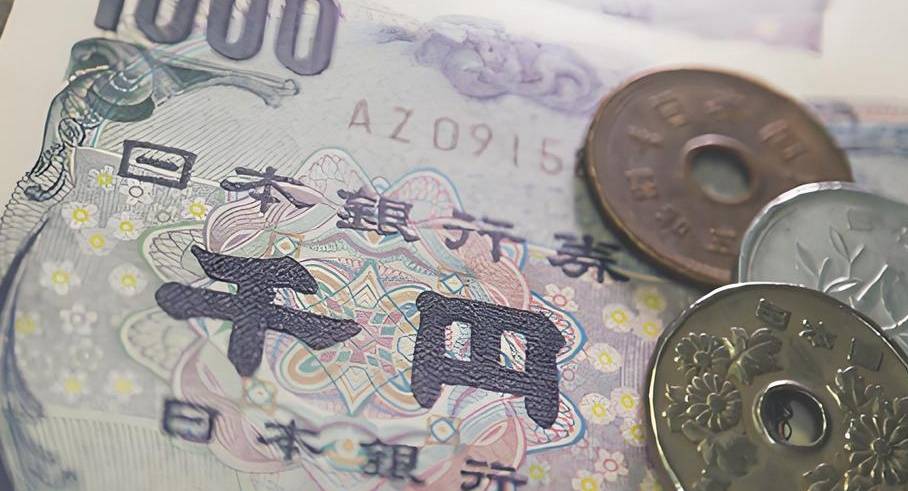
First, oil prices themselves will become more volatile. If oil is priced in a basket of currencies, the price discovery mechanism gets messy. I spoke with commodity traders in Singapore who already calculate settlements in both dollars and yen. The paperwork is a nightmare, but it's happening.
Second, the effectiveness of U.S. sanctions will weaken. If a country knows it can bypass the dollar, it can bypass sanctions. That's why you see Iran selling oil to China in yuan and Venezuela using a mix of rubles and gold. The impact is geopolitical, not just financial.
Third, emerging markets won't automatically win. Some people think a weaker dollar is great for developing countries. In practice, it means their dollar-denominated debts become more expensive to service. So a full-blown dollar crisis would actually hurt them first.
What Does This Mean for Investors?
If this is a long-term theme, you should adjust your portfolio accordingly. Here are the practical steps I've taken and you can too:
- Trim your pure dollar cash exposure. Keep an emergency fund in dollars, but put excess cash into gold, commodities, or even a diversified currency ETF.
- Buy assets that benefit from dollar weakness: international stocks, especially European and Japanese stocks, tend to outperform when the dollar falls.
- Consider inflation-protected securities (TIPS) because a weaker dollar often brings higher inflation.
- Don't ignore gold. I know it's old-fashioned, but central banks are buying gold at the highest pace in decades. They're hedging the same risk you should.
Common Misconceptions About the Oil Dollar Era End
Every week I see someone on social media claiming the dollar is dead. That's nonsense. Let me clear up the biggest myths.
Myth #1: The end of the oil dollar era means the dollar will collapse immediately. No. It means the dollar's dominance erodes gradually, like these things always do.
Myth #2: The yuan will replace the dollar as the reserve currency. Not anytime soon. China still has capital controls and a developing financial market. That's a decade-long project at least.
Myth #3: A weaker dollar is bad for everyone. Actually, the U.S. benefits from a weaker dollar because it boosts exports. And countries with strong currencies see cheaper imports. The problem is the transition phase, not the end state.